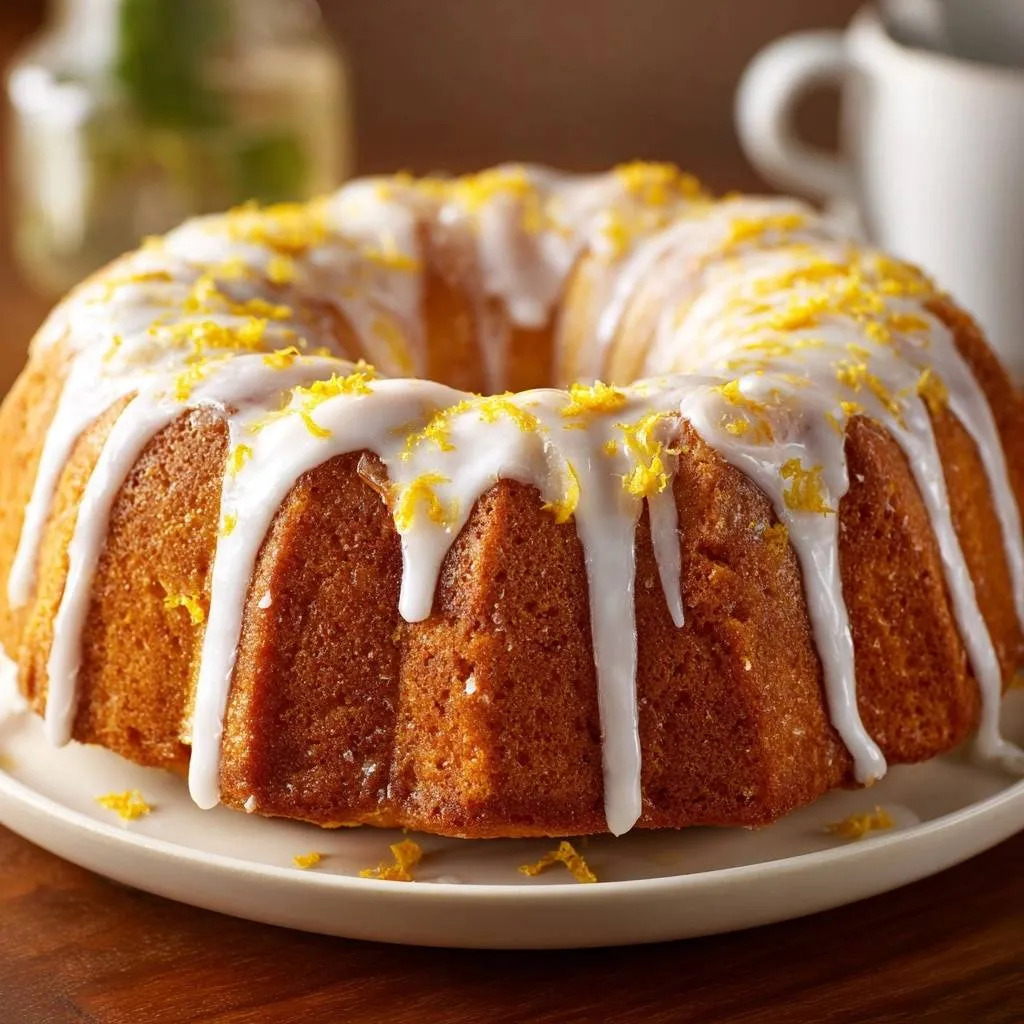
Secret to a Tender Glazed Lemon Bundt Cake: Buttery & Bright
There's an undeniable magic in a perfectly baked glazed lemon bundt cake. It’s more than just a dessert; it’s a burst of sunshine on a plate, a testament to simple ingredients transformed into something extraordinary. Imagine a cake that's not just moist, but incredibly tender, with a buttery richness that complements a vibrant, zesty lemon flavor, all crowned by a glistening, tangy glaze. Achieving this culinary masterpiece at home is entirely within your reach, and we're here to reveal the secrets to making a perfectly moist glazed lemon bundt cake that will have everyone asking for the recipe.
Forget dry, crumbly cakes or glazes that disappear into nothingness. Our journey focuses on creating a glazed lemon bundt cake with an unbeatable texture and an intense, authentic lemon punch. The distinctive ring shape of a bundt pan isn't just for aesthetics; it promotes even baking, ensuring every slice is uniformly delicious and provides the ideal canvas for that beautiful, cascading lemon glaze.
Unlocking the Ultimate Tenderness: The Secret Ingredients
The foundation of any exceptional cake lies in its ingredients, and our glazed lemon bundt cake is no exception. We’re not just picking ingredients; we’re selecting allies that work in harmony to deliver that coveted fine crumb and profound flavor. While seemingly simple, each component plays a critical role in achieving superior results.
The Buttermilk Advantage: Moisture & Tang
One of the true unsung heroes in our recipe is buttermilk. Beyond just adding moisture, buttermilk contributes a subtle tang that enhances the lemon flavor beautifully. Its acidity tenderizes the gluten in the flour, resulting in an incredibly soft, delicate crumb. For those moments when you don't have buttermilk on hand, a homemade substitute of milk curdled with a tablespoon of lemon juice or white vinegar can work in a pinch, though the authentic buttermilk truly shines.
The Dynamic Duo: Butter and Oil for Perfect Texture
Many cakes rely solely on butter, but for a truly moist and tender glazed lemon bundt cake, we advocate for a strategic combination of both butter and oil. Butter delivers that rich, unmistakable flavor and helps create a fine crumb, contributing to the cake's structure. Oil, on the other hand, ensures unparalleled moistness and keeps the cake tender for days. While butter solids can sometimes make cakes denser when cold, oil remains liquid at room temperature, keeping the cake consistently soft and delightful.
Fresh Lemon: Zest and Juice for Maximum Zing
When we talk about "bright" lemon flavor, we mean the real deal. Processed lemon extracts simply can't compare. Our recipe calls for both fresh lemon juice and lemon zest. The zest is particularly crucial, as it contains the essential oils where much of the lemon’s aromatic intensity resides. Grating the zest finely ensures its flavor is evenly distributed throughout the batter. Don't be shy with the zest – it’s your key to a truly vibrant citrus experience without making the cake overly acidic. This dual approach ensures every bite of your glazed lemon bundt cake is bursting with authentic, refreshing lemon.
Crafting the Perfect Crumb: Baking Techniques for Success
Beyond the ingredients, technique is paramount. Even the finest components can be undermined by improper mixing or baking. Mastering a few key steps will elevate your homemade glazed lemon bundt cake from good to unforgettable.
The Creaming Method: Air and Lightness
The journey to a tender cake begins with the creaming method. This involves beating softened butter with sugar until it’s light, pale, and fluffy. This process incorporates air into the mixture, which is critical for a cake's lift and tender texture. It's a foundational step that sets the stage for the cake's final crumb. Don't rush this; a well-creamed butter and sugar mixture is a cornerstone of success.
The Alternating Dance: Wet and Dry Ingredients
Once your wet ingredients (eggs, buttermilk, lemon juice) and dry ingredients (flour, baking powder, baking soda, salt) are ready, it's time to bring them together. The trick is to alternate adding the dry mixture with the wet mixture, beginning and ending with the dry. This method helps to create a smooth, emulsified batter and prevents overmixing of the gluten in the flour, which can lead to a tough cake. Mix only until just combined; visible streaks of flour are a sign to stop.
The Bundt Pan: Beauty and Even Baking
The bundt pan is not just a pretty face; its distinctive fluted design and central tube promote remarkably even baking. The hole in the middle allows heat to penetrate the cake from both the outer edges and the center, ensuring uniform cooking and preventing common issues like burnt edges and a raw middle. However, the intricate design also demands careful preparation. Always grease your bundt pan meticulously, using a baking spray with flour or a combination of softened butter and a dusting of flour, ensuring every nook and cranny is coated. This critical step guarantees your beautiful glazed lemon bundt cake releases perfectly every time.
Patience is a Virtue: Cooling & Glazing
After baking, resist the urge to immediately flip your cake out of the pan. Allow it to cool in the pan for 10-15 minutes. This gives the cake structure time to set, preventing it from breaking apart when inverted. Once inverted onto a wire rack, let it cool completely before applying the glaze. A warm cake will absorb or melt the glaze, leading to a thin, less impressive finish. For the most stunning presentation, ensure your cake is thoroughly cooled.
The Dazzling Finish: Mastering the Glaze
A glazed lemon bundt cake isn't complete without its signature topping. The glaze is more than just a sweet embellishment; it's an integral part of the experience, offering a delightful counterpoint of tangy sweetness and a gorgeous visual appeal. We're aiming for that irresistible "donut-style" glaze – thick, slightly opaque, and one that cracks beautifully when sliced.
Simple Ingredients, Stunning Results
The beauty of this glaze lies in its simplicity: powdered sugar and fresh lemon juice. That's it! The key is in the ratio and mixing. Start with powdered sugar in a bowl, then gradually whisk in small amounts of fresh lemon juice until you reach your desired consistency. For a truly vibrant zing, feel free to add a tiny pinch of lemon zest to the glaze as well. If you're inspired by that thick, crackable coating, take a closer look at our guide for a zesty lemon bundt cake with irresistible donut glaze.
Consistency is King
The perfect glaze consistency should be thick enough to coat the back of a spoon, but still pourable. It should cascade slowly down the sides of the cake, creating luscious drips without being too runny. If your glaze is too thick, add a tiny bit more lemon juice (a quarter teaspoon at a time). If it's too thin, whisk in a tablespoon of extra powdered sugar. Trust your instincts – you'll know when it's just right.
The Art of Application
Once your cake is completely cool, place it on a wire rack set over a baking sheet (to catch any drips). Spoon the glaze over the top of the cake, allowing it to slowly drip down the fluted sides. For an extra thick layer, you can wait for the first layer to set slightly and then apply a second. Let the glaze set for at least 30 minutes at room temperature before serving. This allows it to firm up, creating that beautiful, slightly crackling shell that contrasts wonderfully with the tender cake beneath.
Elevate Your Lemon Bundt Cake Experience
While a glazed lemon bundt cake is magnificent on its own, there are myriad ways to enhance its enjoyment and presentation. Consider serving slices alongside a dollop of freshly whipped cream, a scoop of vanilla bean ice cream, or a scattering of fresh berries like raspberries or blueberries. These additions not only add visual appeal but also introduce complementary textures and flavors.
This cake is incredibly versatile, perfect for brightening up a simple afternoon tea, serving as the star of a spring or summer gathering, or simply as a comforting treat on a quiet Sunday. Its elegant appearance makes it suitable for formal occasions, yet its approachable flavor profile makes it a crowd-pleaser for casual get-togethers.
To keep your cake fresh, store it at room temperature in an airtight container for up to 3-4 days. For longer storage, slices can be frozen for up to a month, ensuring you always have a taste of sunshine ready to thaw and enjoy.
Mastering the art of a tender, buttery, and bright glazed lemon bundt cake is a truly rewarding experience. By understanding the roles of key ingredients like buttermilk, the balance of butter and oil, and the potent flavor of fresh lemon, alongside precise baking techniques, you can consistently achieve bakery-quality results in your own kitchen. This isn't just a recipe; it's a journey into the heart of delightful baking, promising a dessert that's as beautiful to behold as it is unforgettable to taste. So, gather your ingredients, preheat your oven, and prepare to unveil your own masterpiece of citrusy perfection.
